November 26, 2026
Why Are Poppies Worn for Remembrance Day in Britain?
By @stemnotes58
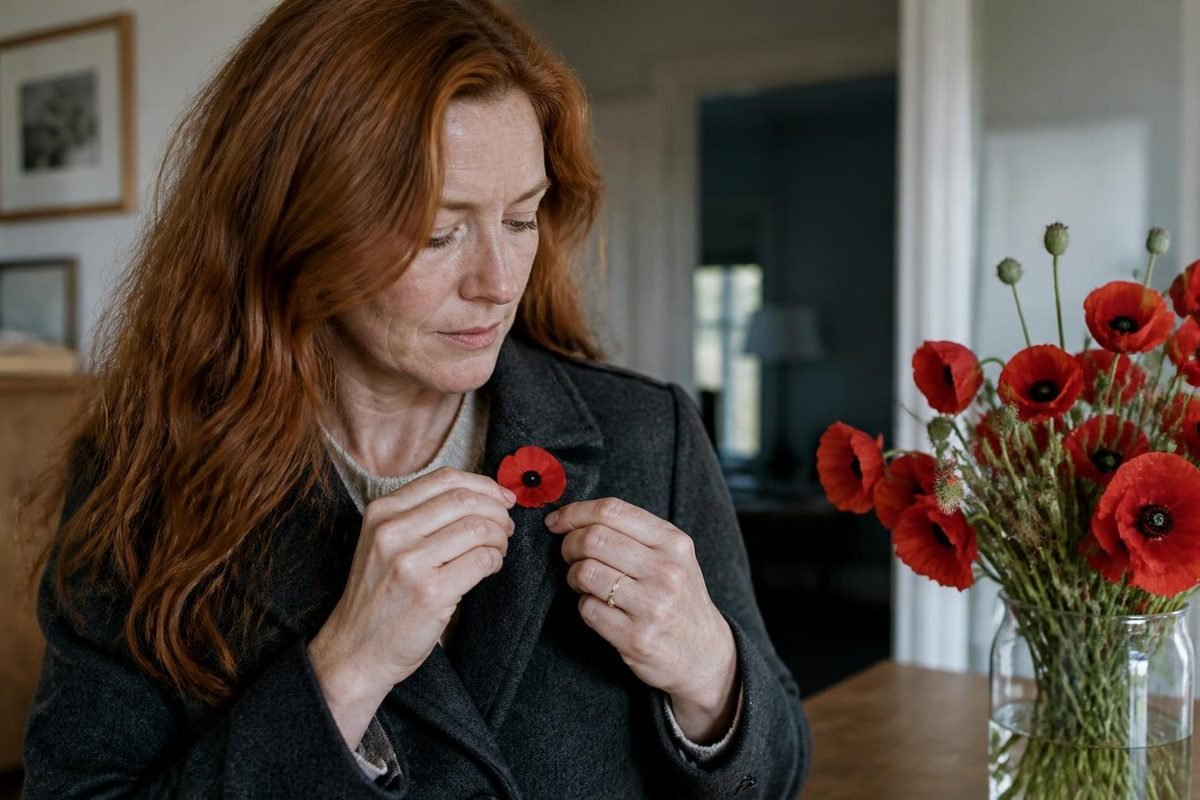
Poppies are worn for Remembrance Day in Britain as a sign of remembrance for people affected by war and conflict. The red flower became a symbol after the First World War, when poppies grew on battlefields in northern France and Belgium.
Why the poppy became a symbol
During the First World War, fighting disturbed the ground across parts of the Western Front. Poppies were among the plants that grew in the damaged soil, bringing patches of red to places where many soldiers had died.
The connection reached a wide audience through the poem In Flanders Fields, written in 1915 by Canadian doctor and soldier John McCrae. Its opening lines describe poppies growing among the crosses that marked graves. The poem helped make the flower a lasting image of remembrance.
How the custom reached Britain
After the war, American campaigner Moina Michael adopted the red poppy as a way to remember those who had died. French campaigner Anna Guérin also promoted the idea and encouraged the sale of artificial poppies to support people affected by the war.
In 1921, the British Legion held its first poppy appeal in Britain. Artificial poppies were sold to raise money for former service personnel and their families. The appeal became an annual tradition, and the organisation is now known as the Royal British Legion.
What wearing a poppy means today
For many people, a poppy is a visible way to remember those who died in the First World War and later conflicts. It can also express support for serving and former members of the armed forces and their families.
People attach their own thoughts to the symbol. Some wear a poppy in memory of a relative, while others use it as a quiet reminder of the wider human cost of war. Wearing one is a personal choice, not a requirement.
When and how poppies are worn
Paper poppies are commonly worn in the weeks before Remembrance Day on 11 November. The date marks the armistice that ended the fighting in the First World War in 1918. Remembrance Sunday is observed on the second Sunday in November, with ceremonies and moments of silence across Britain.
There is no compulsory place to pin a poppy. People often wear one on a coat or jacket where it can be seen. Many receive an artificial poppy in return for a donation to the annual appeal, though some choose to remember in other ways.
Common questions
Does a red poppy only remember the First World War?
No. Its origins lie in that war, but it is now used to remember people affected by later conflicts as well.
Do I have to wear a poppy on Remembrance Day?
No. You can take part in a silence, attend a ceremony, reflect privately or choose not to observe the day. A poppy is one way to show remembrance, not an obligation.
Continue with safe payment for gifts abroad
❧